
This month, on the 17th of August, it’s National Honey Bee Day! Established in 2009, this day is dedicated to raising awareness about the vital role honey bees play in our ecosystem. But these busy bees are much more than just honey producers. In this blog, we delve into some fascinating bee facts that go beyond the honey jar and show you just how cool our namesakes really are!
Honey Bees are Super-Pollinators
Did you know that honey bees are responsible for pollinating around a third of the food we eat!? From the juicy berries you enjoy for breakfast, to the crunchy vegetables in your salad, these buzzing beings are silently ensuring a diverse and delicious harvest. Beyond our plates, they also support healthy ecosystems by pollinating wildflowers, which in turn, feed countless insects and animals. So, next time you enjoy a meal, remember the honey bees – the super-pollinators that keeps us all buzzing!

A Honey Bee’s Busy Life
Imagine a life with a clear career path pre-determined from birth. A worker honey bee’s life is a whirlwind of activity, but with a fascinating timeline. They start their lives tending to the brood within the hive, keeping the future generations warm and fed. As they mature, they then move up the ranks and start jobs such as building honeycomb, using only the beeswax that they produce themselves! Keeping the hive clean and guarding the entrance are also crucial tasks. Finally, at around 21 days old, they become foragers, venturing out into the big wide world to collect nectar and pollen, a task vital for the survival of the hive.

The Waggle Dance – A Bee GPS
Forget Google Maps, honey bees have their very own communication system! They communicate through what’s known as a “waggle dance.” By wagging their abdomens in a specific pattern with intensity, the bees can communicate the direction, distance, and quality of any food source they’ve discovered. The angle of the waggle indicates the direction relative to the sun, while the duration and intensity of the waggle communicate the distance. It’s a complex yet effective way for them to share valuable resources and ensure the hive thrives.
More Than Just Honey
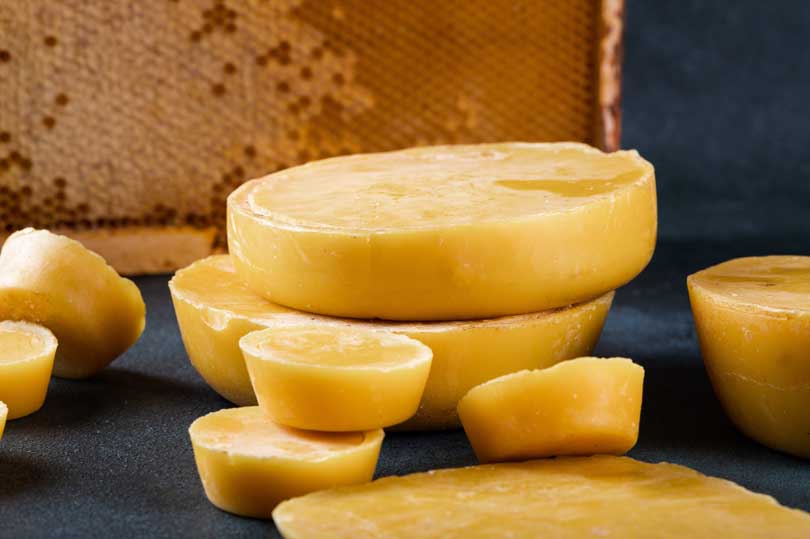
While honey is perhaps the most well-known bee product, it’s not the only one that these clever insects produce. Beeswax, used in everything from candles and lip balms to furniture polish and even chewing gum, is a by-product of honeycomb construction. Royal jelly, a nutritious substance produced by a worker bee to feed the queen bee and young larva is also used in some health and beauty products. Additionally, propolis, a resinous material bees collect from trees and plants, has been used for centuries for its potential health benefits.

The Importance of Bee Diversity
Honey bees are just one type of bee. There are actually over 20,000 known bee species worldwide! Many of these bee species are solitary, unlike honey bees who live in hives. Although, all species of bees play a vital role in our ecosystem, pollinating everything from wildflowers to native fruits and vegetables.
Here at Beehive, we care about these vital pollinators – the clue is in our name! That’s why we support National Honey Bee Day, and every new customer receives a jar of 100% natural, delicious honey from Sedgemoor Honey Farm – our way of doing our bit to support bee conservation efforts. So, why not start storing with us and receive your very own jar!? To find out more about the services we have on offer, click here.